
News & Events
Class 10 Online Tuition or Home Tutor? Parent’s 2026–27 Study Guide

Quick answer: The best Class 10 tuition plan identifies what the student does not yet understand, matches the right teaching format to those needs, follows the current school syllabus, and tracks progress through independent work. Online classes can help with live explanation and flexible scheduling; home tuition can give closer in-person guidance. The right choice depends on the learner, not on advertising claims.
This parent-friendly 2026–27 guide explains what to check before booking Class 10 online tuition or home tuition, how to plan mathematics and science revision, and which questions to ask about tutors. It is relevant to families across India, including those looking for learning support in Chandigarh, Panchkula, Mohali and Zirakpur. Course formats and local tutor availability should always be confirmed directly.
What Class 10 online tuition should actually provide

Good Class 10 online tuition is not simply a video call in which someone reads a textbook aloud. It is a planned learning arrangement with an initial assessment, a subject-wise roadmap, live explanation, practice, feedback, and regular checks on progress. A student should know what will be taught each week, which topics need extra support, and what evidence will show that the lessons are helping.
Before joining any class, identify three things: the subject that feels hardest, the type of mistakes appearing in school tests, and the hours genuinely available after school and homework. Some students need patient one-to-one support with fundamentals. Others understand the concepts but need timed practice and better presentation of answers. Choosing tuition by the student’s actual need is more useful than choosing it because a batch sounds popular.
Parents can ask for a short, practical plan that names the first two chapters to revise and one measurable goal, such as fewer calculation errors or improved completion of practice questions. A responsible tutor can discuss the goal without promising a particular mark. GyanAcharya describes live and one-to-one options on its Class 10 learning page; confirm the current format and availability before enrolling.
Online classes versus home tuition: how to decide

Online classes can be a good match when a student is comfortable asking questions on camera, has reliable internet, and can work at a quiet desk. Digital notes and screen sharing can make diagrams, graph explanations, and solved examples easy to revisit. Shorter travel time is another practical advantage, especially for families with busy school and activity schedules.
Home tuition may suit learners who need an adult sitting beside them to build study habits, check written steps, and reduce distraction. It can also be useful when a student is hesitant to speak during online lessons. The trade-off is the need to coordinate location and timings. Neither format is automatically better: the teaching quality, practice plan, and relationship with the tutor usually matter more.
A useful trial is to ask the student to explain a new idea in their own words after the lesson, then solve a related question independently. If the explanation is clear but the written answer is weak, the next lesson should focus on application. Families exploring both formats can use GyanAcharya’s tuition enquiry form to describe the student’s class and preferred format. Ask about any demo policy rather than assuming a free trial is included.
Choose a tutor who can identify the learning gap
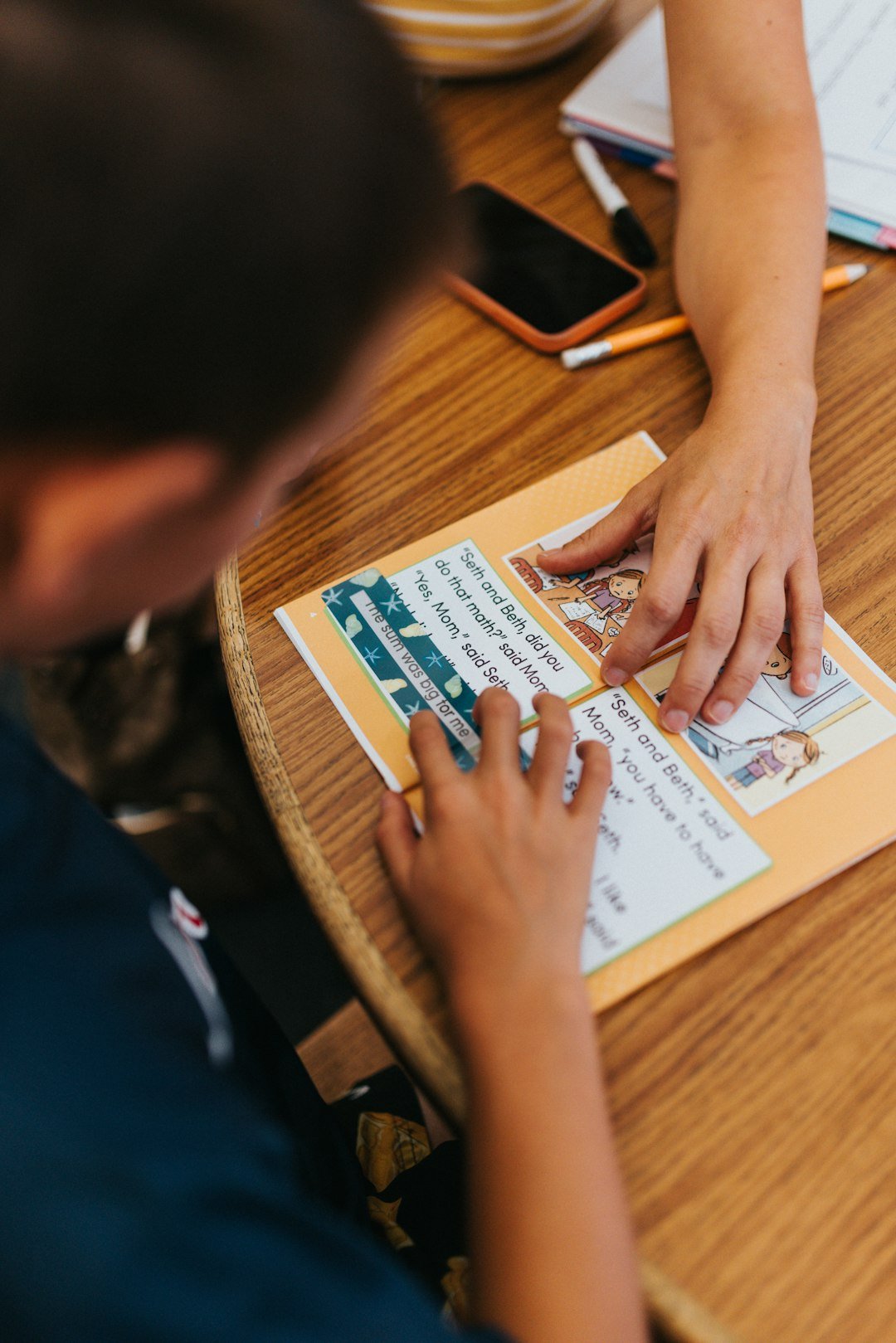
A tutor’s main job is to notice why the student is stuck. A weak answer in mathematics might come from an algebra mistake, missing knowledge of a formula, or difficulty reading the question. In science, the problem might be remembering the definition without understanding the process. A useful tutor asks the student to show their working rather than immediately giving the correct answer.
During an introductory discussion, ask how the teacher checks prior understanding, explains the same concept in different ways, and records repeated errors. Request an example of a simple lesson structure: review one previous question, introduce a new concept, solve an example together, let the student attempt a fresh problem, and finish with a short summary. That structure is clear enough for parents to monitor.
Also ask how often the tutor gives feedback, what happens when the child misses a lesson, and how difficult topics are revisited. Qualifications matter, but patient explanation and consistent follow-through matter as well. If a student needs support in both maths and science, check whether one tutor is genuinely competent in both subjects or whether separate specialists are more appropriate. You can review GyanAcharya’s approach to teaching and enquire about matching.
Use the current CBSE syllabus rather than outdated chapter lists

A Class 10 tuition plan should start with the board, academic year, and exact subjects on the student’s school timetable. For CBSE learners in the 2026–27 session, the official CBSE curriculum page is the best starting point for the current syllabus. Students on ICSE or another board should use their board’s own documents instead of automatically following a CBSE sequence.
Printed guides and online videos can be helpful, but they do not replace the prescribed school textbook. Check the learning outcomes and chapter scope before spending hours on a topic that is not currently required. Teachers should distinguish between core school learning, additional enrichment, and exam-oriented practice. That avoids confusion when students see different chapter orders on different websites.
Keep one simple syllabus tracker with columns for the chapter, school coverage, concept clarity, textbook exercises, sample questions, and revision date. Mark a topic complete only after the student can answer questions without copying the worked solution. Families can explore GyanAcharya’s Class 10 live classes page and ask how the lesson plan is aligned with their school’s actual syllabus. The plan should be checked again when the school releases any revised instructions.
A realistic Class 10 mathematics improvement plan

Start mathematics improvement with a short diagnostic set containing easier, medium, and application-based questions from chapters already covered at school. Separate mistakes into categories: concept errors, wrong method, arithmetic slips, skipped steps, and time pressure. This reveals which type of help is needed before choosing a lengthy worksheet.
During study sessions, use a three-part routine. First, take ten minutes to recall yesterday’s method without looking at the solution. Second, spend the main study period on one new or difficult concept, solving a few progressively harder examples. Third, finish with independent practice and a review of incorrect steps. Recording the error and its correction in a small notebook is more effective than repeatedly copying correct answers.
Every week, choose a few older topics for spaced revision instead of studying only the current chapter. For geometry or word problems, ask the student to write what is given, what must be found, and why a method fits. Where possible, practice both accuracy and presentation. A tutor should be able to explain why a step works rather than say ‘remember this trick.’ Students whose fundamentals need strengthening may also review the Class 9 learning page and ask for a bridge plan.
Build strong understanding in science, not just memorised answers

Science preparation becomes easier when the student can move between words, diagrams, examples, and short explanations. After reading a concept, ask the student to explain it to someone with no background in the subject. Then check whether the explanation uses the correct scientific terms. This is a quick way to find understanding gaps that ordinary rereading may hide.
For numerical questions, show the known values, suitable relation or formula, units, substitution, and final interpretation. For biology diagrams, practise the correct labels and a sentence explaining each part’s function. For chemistry, pay attention to the meaning of symbols and the reasoning behind changes. In physics, connect a calculation to a familiar situation before increasing the difficulty.
Instead of making one large pile of notes, maintain a concept summary, a formula and definitions sheet, and a notebook of mistakes. Short retrieval quizzes can be done without looking at these notes. After each quiz, revisit the two weakest points and answer a different example that tests the same idea. GyanAcharya’s Class 10 classes provide a relevant starting point for families looking to discuss science support, while the exact subjects and batch schedules should be confirmed directly.
How parents can track progress without adding pressure
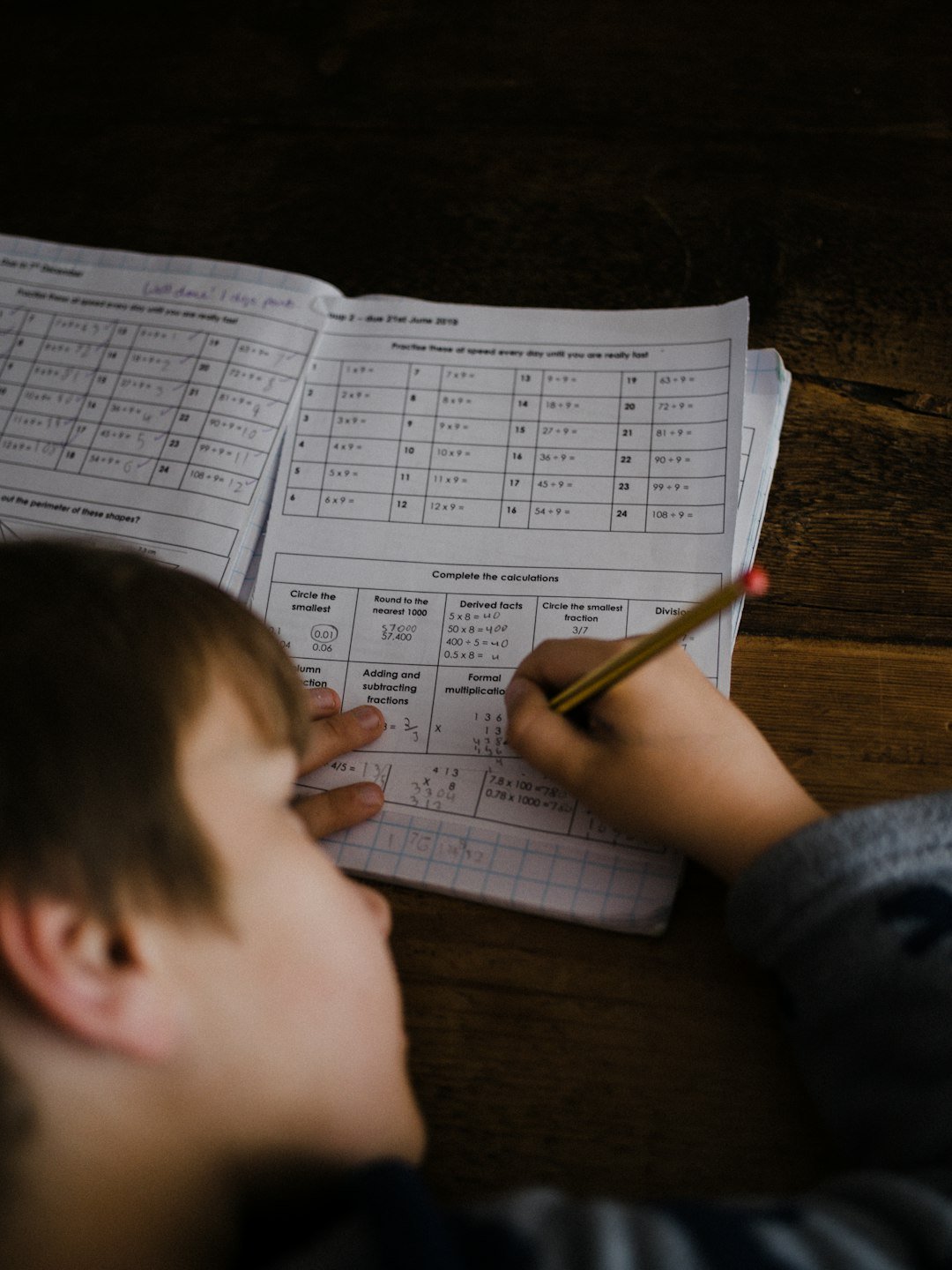
Parents often hear ‘the class went well’ but still do not know whether a student is improving. A better progress update shows what was studied, which skills were demonstrated independently, and what remains difficult. One or two clear observations are more useful than a long report filled only with praise or percentages.
Choose a brief weekly check-in rather than discussing marks every day. Compare the student’s own earlier attempts with current work and ask whether the main error types have changed. If the student used to lose marks by leaving answers unfinished, finishing one timed practice set may be a meaningful early improvement. If concepts remain unclear, the plan should slow down instead of adding more homework.
A balanced routine includes school assignments, revision, breaks, sleep, and activities outside academics. Pushing many hours of tuition onto an already exhausted student rarely solves the underlying problem. The child should feel able to tell the tutor when an explanation is confusing. Ask for the next lesson’s objective and one action the student can complete independently. These habits help build self-direction and make tuition more useful beyond a single test.
Finding home tutors in Chandigarh, Panchkula, Mohali and Zirakpur

Families searching for home tuition in Chandigarh, a tutor in Panchkula, or a Class 10 teacher near Mohali or Zirakpur often have practical questions that generic national websites do not answer. The first is availability: a suitable teacher may be able to teach one locality but not another. The second is travel and scheduling, because a good match needs a realistic time that works throughout the school term.
Before contacting a provider, prepare the student’s class, school board, required subjects, approximate locality, preferred days, and target start date. Explain the main difficulty rather than simply writing ‘need best tutor.’ For example: ‘Class 10, CBSE, maths, struggling with word problems, three evenings each week, in Panchkula.’ Clear details make the enquiry more useful and reduce unnecessary back-and-forth.
For families who prefer online lessons, location is often less important than a stable connection and available subject expertise. For face-to-face tuition, always confirm that the service covers your area; do not assume a tutor is currently available because a city name appears online. GyanAcharya has a registration form for home tuition and online classes, where families can share requirements and seek an appropriate option.
The right questions to ask before enrolling

A meaningful enquiry should cover teaching fit as well as price. Ask who will teach the lessons, whether the same tutor will continue, what syllabus they follow, how doubts are handled between classes, and what happens if a lesson is missed. If the student needs one-to-one attention, confirm that the selected plan is genuinely individual rather than a group session described loosely as personalised.
Find out how progress will be reviewed and what materials the student must provide. Ask for the fee structure, number and length of sessions, payment method, cancellation rules, and any additional charges in writing. A legitimate comparison considers the total learning arrangement, not merely the headline cost per lesson. Do not assume special offers, free trials, or guaranteed marks unless the provider has confirmed them.
An initial conversation can reveal whether the tutor listens to the student and explains without rushing. Request a simple outline of the first week rather than a vague promise to finish the syllabus quickly. Families can use GyanAcharya’s contact page for questions and its enrolment enquiry form to provide learning needs. Keep any important commitments recorded before making a decision.
A practical four-week revision routine

Week one is for finding the baseline. List chapters already taught, attempt a small diagnostic set, and identify three priority skills. The tutor should explain the plan and show the student how a clear answer is constructed. Keep the goals manageable: one or two difficult concepts are enough to begin with.
In week two, focus on deliberate practice. Alternate explanation with independent questions, and revisit week-one mistakes before introducing a new challenge. At the end of the week, compare performance on similar—not identical—questions. If the same error recurs, change the method of explanation or reduce the difficulty rather than simply repeating more worksheets.
In week three, mix topics from different chapters and add limited timed practice to build accuracy under pressure. Some students need to improve question reading; others need to show reasoning more clearly. In week four, review the error log, practise a school-style paper or sample set appropriate to the current syllabus, and set a new short-term goal. This is a planning example rather than a fixed promise: the pace should follow the student’s actual learning needs. Regular short revision sessions are often easier to sustain than a single last-minute marathon.
Frequently asked questions about Class 10 tuition

Is Class 10 online tuition effective? It can be effective when lessons are interactive, the student practises independently, and the teacher responds to actual learning gaps. The outcome depends on the student, tutor, consistency, and study plan, not only on the online format.
Is online tuition better than home tuition? Neither is universally better. Online learning reduces travel and can make digital explanations convenient. Home tuition offers in-person guidance. Choose based on how the child learns and where a suitable tutor is available.
How many classes are needed each week? There is no single correct number. Consider subject difficulty, school workload, revision requirements, and the student’s energy. Start with a manageable schedule and change it after reviewing progress.
Can maths and science be taught by one tutor? Sometimes, but subject knowledge should be checked carefully. It may be better to use two teachers when the topics are advanced or the student’s needs are different.
Should tuition cover the entire syllabus again? Not always. A targeted programme can first repair weak concepts, then strengthen the current syllabus and revision. Repeating everything without checking understanding can waste time.
Where can I check the latest CBSE Class 10 syllabus? Refer to the CBSE Academic curriculum for 2026–27 and your school’s instructions.
How do I request a tutor near me? Share the class, subjects, board, locality, preferred format and possible timings through the GyanAcharya enquiry form. Availability should be confirmed before proceeding.
Will a tutor guarantee a certain board-exam score? No responsible plan can guarantee an exact result. Ask instead about the teaching method, practice strategy, transparent feedback and how progress will be assessed.
Next step: choose the learning support your child needs

Class 10 can feel demanding, but the next step does not need to be complicated. Make a short list of the most difficult concepts, keep two recent school assessments ready, and discuss which format—online tuition, home tutoring, or a subject-specific class—would be most practical. A useful programme should begin with the learner’s needs and evolve as those needs change.
Explore Class 10 tuition options, browse live learning opportunities, or describe your requirements to the GyanAcharya team. Parents of students entering senior secondary school can also review the Class 11 learning page and our Class 11 Physics, Chemistry and Maths tuition guide for the next stage. Tuition should help build understanding, a sustainable study routine and confidence in solving unfamiliar questions—not dependence on a teacher for every answer.
Ask GyanAcharya About Online & Home Tuition
Information reviewed for the 2026–27 school session. Learning requirements and course availability may change. Last updated: October 2026.
